 Book Consultation

What Is Professional Development, and How Can It Change Your Career Path in 2026?
Professional development isn’t “one course and you’re done.” It’s a conscious, continuous process of upgrading your skills, expanding your hands-on experience, and increasing your professional value so you stay in demand—even if the market shifts overnight. In 2026 specifically, it’s no longer a luxury or a nice-to-have. It’s a professional survival strategy (and honestly, a mental relief strategy too), because when you know where you’re heading, the fear of surprises drops.
The best part about career development is that it isn’t tied to one job title. You might be an employee, a team lead, or even in the middle of a complete career change. In every case, professional development helps you build a stronger “career portfolio”: more projects, clearer achievements, and skills you can actually prove. The result? Career progression becomes something you can plan for, instead of something you wait on—hoping luck sends an opportunity your way.
In this guide, we’ll keep it practical: why professional development has become necessary, how to choose the right type of development for you, and how to turn career planning into small, doable steps—without turning your life into a pressure cooker.
Why Has Professional Development Become Non-Negotiable in Today’s Work World?
If the job market is a massive machine moving at high speed, skills are the “oil” that prevents painful friction. Over the last few years, change hasn’t been happening every five years… sometimes it happens every five months. Roles evolve, new tools appear, and AI has basically become a third party in almost every office. Many global forecasts expect a large portion of core workforce skills to change by 2030, which makes relying only on what you learned years ago a clear risk.
This “necessity” isn’t about fear. It’s about realism. Professional development today is a way to manage your career path—so your career path doesn’t manage you. When you invest in building professional skills and improving competence, you’re building options: promotion opportunities, a move to a better sector, or the flexibility to switch roles without taking a major hit.
Here’s the smart twist: companies are also starting to measure career maturity internally. Workplace learning insights repeatedly show that organizations that take career development seriously tend to perform better in retaining talent and staying ready for change. In other words, developing yourself is no longer “just a personal interest.” It’s also a shared language with the modern job market.
What Challenges Do Professionals Face Without a Clear Development Plan?
Without a plan, you’ll often find yourself working hard but moving slowly—or moving in a direction that doesn’t feel like you. The issue isn’t effort. It’s the lack of a compass. Professionals who don’t build career plans usually run into three problems: scattered priorities (everything feels urgent), weaker negotiation power (because accomplishments aren’t documented or strategically directed), and gradual confidence erosion because you don’t see “proof” that you’re growing.
There’s also a hidden psychological challenge: when market requirements shift, an unprepared person starts thinking the problem is them—when the truth is that the market changed. Many analyses of technology and AI point out that the change is often in the nature of tasks inside a role, not the disappearance of the role itself. That means if you don’t upgrade your tools, you can suddenly feel “out of the game” even while you’re still in the same position.
The final challenge is very practical: without a development plan, building experience becomes random. You might work for years, but your experience becomes repetitive instead of cumulative. That’s where promotion opportunities slip away, because you don’t have a clear career story that answers: What did you add? What did you master? And what value did you increase through your performance?
Does a Skills Gap Affect Your Career Opportunities?
Yes—and in a smarter (and harsher) way than most people expect. A skills gap doesn’t always show up as a direct rejection. It often shows up as being overlooked: you don’t get interview calls, you’re not nominated for bigger projects, or a colleague with less experience is preferred because they have a skill that’s in demand right now. With the rise of skills-based hiring in many markets, interview questions have shifted closer to: “What can you do now?” not “What did you do years ago?”
And when we talk about 2026 skills, it’s not one skill. It’s digital skills, basic AI tool literacy, analytical thinking, and problem-solving. Many future-of-work forecasts treat this as a broad shift in required skills over the coming years, which makes competency-building not a luxury, but a condition for stability.
The good news is that this can make opportunities more merit-based than before: if you learn strategically and show evidence of skill (a project, an achievement, a portfolio), you can progress faster than someone who’s “more senior” but stagnant.
How Does Not Developing Yourself Lead to Career Stagnation?
Career stagnation usually happens without warning. You can be excellent at your current tasks, and then suddenly become “the perfect fit for this seat only.” Professionally, that’s a risky place: it looks safe, but it’s not growing you. Lack of professional development creates an invisible ceiling: same tasks, same responsibility level, roughly the same pay—while pressure keeps rising because expectations increase but your tools stay the same.
Economically, the market rewards adaptability. Many reports on technological transformation expect automation to cover a significant portion of work hours by 2030, which means if you don’t add new skills, part of your “value” becomes easier to replace or reduce.
And the psychological effect matters too: when you’re not moving forward, motivation drops, boredom shows up, and your work quality declines—even if you’re trying. Development isn’t a race. It’s regular maintenance to prevent your path from freezing.
What Role Does Technology Play in Increasing the Need for Professional Development?
Technology today isn’t “just the IT department.” It’s in marketing, HR, management, finance, and even field operations. The rise of AI tools and smart systems has made the key skill not “using one tool,” but learning quickly and adapting to new tools.
Market observations often suggest AI’s impact is mainly task transformation at different levels: some roles change dramatically, others change moderately so that AI becomes a productivity assistant while humans still lead decision-making.
That’s exactly why the need for professional development is rising: you have to redesign how you work—not just “follow a trend.” From an education lens, international bodies frequently discuss upskilling and reskilling for adults as a core part of the digital and green transition, which means continuous learning is becoming a formal component of modern work systems—not just an individual initiative.
If you want, I’ll continue translating the section exactly as it appears in your text (starting from: “What are the real benefits of investing in your professional development?”) and keep the same tone and structure, with no added bullet points unless absolutely necessary.
What Are the Real Benefits of Investing in Your Professional Development?
The benefits aren’t just the slogan “develop yourself.” Investing in professional development gives you three concrete gains:
- clearer direction,
- stronger negotiation power,
- more opportunities over time—because you build provable, practical experience. The good thing is that results may not show up in a week, but they compound: every skill you add becomes a lever for another skill, and every project you complete becomes evidence of value.
Workplace learning insights often place career development at the center of strategy, noting that organizations with higher maturity in supporting employee growth tend to see stronger outcomes in performance, retention, and readiness for new technologies. That reflects on you as an individual too: when you’re in an environment that treats development as a priority, your chances of moving internally (internal mobility) increase, and promotion becomes more realistic.
The key point: the benefit isn’t only “a better job.” It’s also career stability. When you raise your professional value, you’re less likely to panic when leadership changes or the market shifts—because you have transferable tools, not just a job title.
How Does Professional Development Increase Your Chances of Getting Promoted?
In many companies, promotion isn’t a reward for effort. It’s a decision based on your ability to handle a higher level. Professional development prepares you for that level by expanding your scope of work: leading a project, improving a process, or building a working system. When you do that, you’re presenting proof of readiness—not just asking for trust.
Developing practical capabilities matters a lot here. The goal isn’t to memorize theories; it’s to show their impact. A simple example: learning basic data analysis and applying it to your team’s reports can quickly improve productivity and shift leadership’s perception of you—because you supported better decisions, saved time, or revealed an opportunity.
And as roles continue shifting due to technology, companies increasingly look for people who are “re-shapeable”—those who can learn and redistribute their effort toward new tasks. That kind of adaptability is directly tied to promotion potential.
Does Professional Development Increase Your Monthly Salary?
Not automatically—but it increases your chances in a logical way, because pay is usually built on a mix of: market value, role value, and skill scarcity. When you learn in-demand skills and can prove them, you raise your market value. When those skills help improve performance or qualify you for bigger responsibilities, you raise the value of your role too.
Future-of-work reports that discuss automation and workforce shifts consistently point to rising demand for certain roles and skills, while demand for others declines. That means people who invest in in-demand capabilities are more likely to move into higher-paying roles.
Practically, the increase may come through an internal promotion, a better external offer, or a shift into a sub-specialty within your field that has a higher earning ceiling. Professional development doesn’t promise a number—but it raises the probability of the number, which is a major difference.
What Impact Does Professional Development Have on Your Job Satisfaction?
Job satisfaction doesn’t come only from a “nice job.” It comes from the feeling of progress and control. When you see yourself learning and improving, your relationship with work changes: it becomes a personal project, not just hours you spend. That reduces frustration and builds confidence because you have evidence of growth.
There’s another important point: in fast-changing environments, lack of development creates a quiet anxiety (“Will what I do today still be needed?”). Professional development works like an anxiety reducer because it gives you a clear plan and gives your brain a sense that you have options. Many continuous-learning trends emphasize that learning isn’t a luxury—it’s part of professional quality of life and long-term sustainability.
Bottom line: as your performance improves and your practical experience grows, your connection to work shifts—less boredom, healthier challenges, and more ability to choose your path instead of being dragged by it.
Why Has Professional Development Become a Non-Negotiable Necessity in the Modern Work World?
If the job market were a massive machine moving at high speed, skills would be the “oil” that prevents painful friction. In recent years, change hasn’t been happening every five years… sometimes it happens every five months. Roles evolve, new tools appear, and AI has become a third presence in almost every workplace. Global forecasts suggest that a large share of the core skills employees rely on will change by 2030—which means depending only on what you learned in the past has become a clear risk.
This necessity doesn’t mean “panic.” It means realism. Professional development today is a way to manage your career path instead of letting your career path manage you. When you invest in building professional skills and improving competence, you’re essentially building options: promotion opportunities, a move to a better sector, or the flexibility to shift roles without major losses.
The smart irony is that companies themselves are increasingly measuring career maturity internally. Workplace learning insights often indicate that organizations that focus on career development in a structured way get better outcomes in talent retention and change readiness. In other words: developing yourself is no longer “just a personal interest.” It has also become a shared language with the modern job market.
What Challenges Do Professionals Face Without a Clear Professional Development Plan?
Without a plan, you’ll often find yourself working a lot but progressing slowly—or progressing in a direction that doesn’t fit you. The problem isn’t effort. It’s the lack of a compass. A professional who doesn’t create career planning usually faces three things: scattered priorities (everything feels important), weaker negotiation power (because achievements are undocumented or not directed), and gradual confidence erosion because you don’t see “evidence” of your growth.
There’s also a hidden psychological challenge: when market requirements change, the unprepared person feels like the issue is them—when the truth is that the market itself changed. Many discussions around technology and AI point out that change often happens in the nature of tasks inside a job, not the disappearance of the job entirely. That means someone who doesn’t upgrade their tools can suddenly feel out of the game even while staying in the same role.
The last challenge is extremely practical: without a development plan, building practical experience becomes random. You may work for years, but your experience becomes “repeated” rather than “cumulative.” This is where promotion opportunities slip away, because you don’t have a clear career story that answers: what did you add, what did you master, and what value did you raise through your performance?
Does a Skills Gap Affect Your Job Opportunities?
Yes—and in a smarter (and harsher) way than we usually imagine. A skills gap doesn’t always show up as a direct rejection; it often shows up as being overlooked: you don’t get invited to interviews, you’re not nominated for bigger projects, or a colleague with less experience is preferred because they have a skill that’s currently in demand. With skills-based hiring spreading across many markets, interview questions have become closer to: “What can you do now?” not “What did you do years ago?”
And when we talk about 2026 skills, it’s not just one skill. There are digital skills, AI tool fluency, and analytical problem-solving capabilities. Global future-of-jobs reporting treats this as a broad shift in required skills over the coming years—making competency development not a luxury but a condition for stability.
The good news? This can make the game fairer: if you learn strategically and provide proof of skill (a project, a measurable result, a portfolio), you can advance faster than someone “more senior” but stuck.
How Does Not Developing Yourself Lead to Career Stagnation?
Career stagnation often happens without warning. You can be excellent at your current tasks, and then suddenly become “perfect for this chair only.” That’s a dangerous place professionally: it looks safe, but it doesn’t increase you. Lack of development creates an invisible ceiling above your head: the same tasks, the same responsibility level, roughly the same salary… with rising pressure because expectations grow while your tools stay the same.
Economically, the market tends to reward people who can adapt. Many technology transformation forecasts expect automation to cover a significant share of work hours by 2030. That means someone who doesn’t add new skills may find that part of their “value” becomes easier to replace—or easier to reduce.
And psychologically? When you’re not moving forward, motivation drops, boredom appears, and performance quality declines—even if you’re trying. Development isn’t a race. It’s regular maintenance for your path so it doesn’t freeze.
What Role Does Technology Play in Increasing the Need for Professional Development?
Technology today isn’t only an “IT department” thing. It’s present in marketing, HR, management, finance, and even field operations. The rise of AI tools and smart systems has made the required skill less about mastering one tool, and more about learning quickly and adapting to new tools.
Market data commonly suggests that AI’s impact on jobs is often “task transformation” at different levels: some jobs change dramatically, others change moderately so AI becomes a productivity assistant while humans still lead the decisions.
That’s exactly why professional development is more necessary now: because you need to redesign how you work—not just “keep up with a trend.” From a learning perspective, international organizations increasingly discuss upskilling and reskilling for adults as a core pillar of the digital and green transition—meaning lifelong learning is becoming a formal component of modern work systems, not just an individual initiative.
What Types of Professional Development Match Your Ambitions?
Professional development isn’t one fixed route. It’s more like a “map of options” that depends on where you are right now and where you want to go. Someone aiming for career progression inside the same company will need a different development path than someone planning a full career shift or entering a new industry. In 2026, this variety matters even more because the market moves fast: skills change, roles evolve, and some jobs transform in their daily tasks because of technology and AI. Many global outlooks expect major disruption in jobs and skills through 2030, which means choosing the right type of development is now about flexibility—not just form.
The practical idea is: don’t ask “What’s the best type of development?” Ask: “Which type will increase my professional value the most over the next 6–12 months?” Sometimes the answer is a formal program, sometimes it’s self-development plus practical projects, and sometimes it’s a smart mix of both. The key is choosing a path whose impact you can prove through performance, real experience, and measurable outcomes—because proof is the currency of today’s market.
What’s the Difference Between Formal Professional Development and Self-Development?
Formal professional development is usually structured: a certificate, training program, diploma, accredited pathway, or employer-provided training. Its advantage is that it offers a clear framework, progressive content, and sometimes a recognized “name” that helps strengthen your CV. But it can be slower or more expensive, and it doesn’t automatically produce results unless you translate it into real-world application.
Self-development is broader and often faster: learning a specific skill, reading with intention, applying new tools in your job, or building a small project that improves your competence. Its advantage is flexibility and suitability for busy schedules—especially when you know exactly what you need. The challenge is discipline and progress measurement, so it doesn’t turn into “learning without impact.”
The smartest approach in 2026 is often a blend: use formal learning to close an obvious gap (like a professional certificate), and use self-development to create faster differentiation through hands-on work and real projects. Skill trend reporting also suggests that digital skills and GenAI are increasingly prominent in learning ecosystems, which reflects how self-learning has become a major part of modern professional upskilling.
Are Academic Degrees Part of Professional Development?
Yes—but they’re not always the best option for every goal. Academic study (BA/MA/diploma programs) is strong when you need deep foundations or when your field requires a clear qualification (for example, many regulated or highly technical pathways). It also supports long-term career building by strengthening analytical thinking and giving you a broad knowledge framework.
But in 2026, a big portion of the market is focusing on provable skill—not only titles or degrees. So if your goal is to improve job opportunities quickly or switch roles within a year, shorter applied credentials and practical pathways may be more effective than a long academic program—especially when supported by real projects.
In short: academic study is usually a long-term investment, professional certificates are often mid-term investments, and self-learning can be a fast investment—if it’s focused and measurable.
How Do Training Courses Contribute to Your Professional Development?
Courses can be a shortcut when they’re goal-specific. Instead of learning everything about a field, you pick a course that targets a specific gap: a tool, a skill, or a working method. That translates quickly into performance improvements because you can apply what you learn directly to your daily responsibilities.
In 2026, many training programs combine skills training with hands-on practice, which matters because the market no longer values “attendance certificates” alone. A good course is one that ends with something you can show: a project, a work sample, a model, an improvement, or a portfolio piece. That’s what turns learning into real professional value.
Is Self-Learning as Effective as Formal Training?
It can be equally effective—or stronger—if it’s managed rather than random. Self-learning works when you define clear outputs: What will you learn? How will you apply it? And how will you prove you’ve mastered it? Without those three, self-learning becomes content consumption.
Self-learning is especially valuable because it keeps pace with fast-changing skill demands, including digital skills and GenAI. Formal training, on the other hand, often provides structure and easier recognition. The best formula is usually: self-learning for speed + formal training for credibility when needed—especially if your environment values certificates or uses them as a promotion filter.
What Are the Best Professional Programs and Certifications in 2026?
In 2026, there are so many professional certificates that it can get confusing. Not every certificate has real market value, and some won’t impact your salary or career progression as quickly as people expect. Many discussions about micro-credentials point out that not all “short certifications” deliver clear career returns—so choosing carefully matters.
So what counts as “best”? The best program usually meets three conditions: it aligns with in-demand roles, includes hands-on work you can showcase, and connects directly to your current tasks or your target job.
Do Specialized Certificates Matter for Professional Development?
They matter when they’re the right match. A specialized certificate becomes valuable when it’s in a field with clear demand, proves a measurable skill, and adds something you truly don’t have yet.
But avoid the “collect certificates” mindset. A certificate doesn’t increase your professional value if it doesn’t translate into outcomes or stronger performance. Use certificates as tools: for promotion, a career transition, or deeper specialization.
How Do You Choose the Right Field for Professional Development?
This isn’t purely an emotional decision or purely a market-data decision. It’s a balance. Choose the overlap between: what you enjoy or can tolerate, what your current/next role requires, and what demand is increasing in the market.
In 2026, also ask: does this field have a clear “proof pathway”? Can you build projects, results, or samples that show your skill? Fields that allow evidence-building (projects, reports, improvements, products) usually give you stronger negotiation power and faster job opportunities.
What’s the Value of International Certifications in the Gulf Market?
International certifications in the Gulf are often read as a signal of seriousness and standardization—especially in large companies and multinationals. They may increase your interview chances by reducing uncertainty for employers, because the certificate provides a known reference point.
But their value varies by sector and company. In many cases, they help you get noticed, while final decisions still depend on practical experience. That’s why the strongest combination is: recognized certificate + real-world proof. Together, the certificate becomes more than paper—it becomes evidence of competence.
How Can You Combine Professional Development with Practical Experience?
This is where professional development turns from “content” into “value.” Many people improve theoretically, but their professional value doesn’t rise because they lack a real story backed by evidence. Combining development with experience means learning something, then testing it in reality: a project, a process improvement, or a new responsibility.
The good news is you don’t need a new job to do this. You can create experience inside your current role: take a side responsibility, propose an improvement, or volunteer for an internal project. This is one of the fastest ways to build practical experience and improve performance—without dramatic life changes.
Why Are Practical Projects Important in Professional Development?
Projects are the proof everyone understands: managers, HR, and the market. They show you don’t just “know”—you can execute. One strong project can outweigh multiple certificates because it documents your ability to solve a real problem, manage time, and handle constraints.
In 2026, as technology and AI reshape tasks, projects also help you adapt: you learn a tool and immediately apply it, improving productivity and proving flexibility.
Does Freelancing Help with Professional Development?
Yes—if you treat it as a professional lab, not just extra income. Freelancing forces you to build skills you might not learn quickly in a job: negotiation, scope definition, client management, and consistent delivery. That can upgrade your competence fast because it expands your responsibilities.
But it can become distracting without planning. Choose freelance projects that serve your career direction and help you build a clear portfolio. Done right, freelancing strengthens your CV with external proof of achievement and increases your opportunities even if you’re in a stable role.
How Can You Benefit from Internal Training Opportunities in Your Company?
Internal training isn’t only for beginners. Even employees can benefit through “role sampling” inside the company: a short project with another team, joining a task force, or shadowing a different department. These experiences lower the risk of career changes because they happen in a safer environment—and they build real experience quickly.
A major advantage is visibility. When you’re seen performing well in a new context, internal mobility and promotion opportunities increase. To maximize value, keep internal training focused: one specific skill + one clear output (an improvement, a document, a model, a report, or measurable results). That’s how internal experiences become a career lever—not just a nice experiment.
How Do You Plan Your Professional Development Journey Strategically?
Career planning isn’t just a nice schedule on paper. It’s an operating system for your professional life: it sets direction, reduces distraction, and turns professional development from a “good intention” into measurable progress. In 2026, planning matters more because required skills shift quickly, and job roles are being reshaped by technology and AI. Many international outlooks stress that skills gaps are widening and that upskilling/reskilling has become a necessity—so having a clear plan is the difference between leading your path and chasing it.
Strategy here doesn’t mean complexity. It simply means: you know where you want to go (a goal), you know where you are now (your current reality), you identify the distance between them (skills/experience gaps), then you choose small, sequenced steps. The most important rule: a smart plan is built around increasing professional value—not collecting courses. Every step should create a result you can see in your performance, your practical experience, or your career story.
What Are the Steps to Build an Effective Professional Development Plan?
An effective plan looks like a roadmap with clear stops—not vague wishes like “I want to improve.” Start by defining a goal you can describe: promotion within 12 months, a transition to a new track, or improving competence in a specific skill. Then break that goal into the actual skills and experiences required for the role you want. At that point, development becomes a structured process: define requirements, close gaps, then prove capability.
Next, connect learning to application. Many people fall into “learning disconnected from reality”—finishing multiple courses with no career impact. Future-of-work discussions often note that change happens inside job tasks rather than job titles disappearing completely. That means the best development is what changes what you can deliver day to day.
Finally, any plan without review turns into routine. Include quick monthly check-ins and deeper quarterly reviews: what improved, what blocked you, and what needs adjustment. This is how development becomes ongoing management, not a seasonal burst of motivation.
How Do You Set Short-Term and Long-Term Career Goals?
Short-term goals (3–6 months) are steps. Long-term goals (1–3 years) are the destination. For short-term, focus on one thing that raises your value fast: a productivity skill, a certificate for promotion, or a project that proves competence. For long-term, ask: what role do I want? what problems do I want to solve? and what environment do I want to work in (sector, company size, work style)?
Tie goals to indicators you can observe. “Improve performance” becomes stronger when you say: “Lead a process improvement initiative within 90 days,” or “Build two portfolio projects that prove skill X.” This kind of clarity makes execution easier and reduces the stress of comparing yourself to others.
Since skill needs shift quickly, long-term goals should be flexible. A long-term plan that can adapt doesn’t mean you’re inconsistent—it means you’re realistic in a changing market.
What’s the Role of Strengths and Weaknesses Assessment in Professional Development?
Assessing strengths and weaknesses isn’t self-criticism. It’s diagnosis. Without diagnosis, you’ll develop the wrong thing. Sometimes your weakness isn’t a skill at all—it’s a habit: poor time management, unclear communication, or hesitation to take initiative. Sometimes your strength is hidden because you don’t document it or build on it.
A practical method: pick 3 strengths to amplify (strengths drive differentiation) and 3 weaknesses to reduce (weaknesses drain promotion opportunities). Then tie each point to a small action: strong communication → deliver one structured update monthly; weak organization → adopt a weekly tracking system and a short daily review.
The key is that your assessment should match the path you want, not just your self-image. In 2026, a “weakness” may simply be low comfort with digital tools or not using AI as a productivity assistant—because tasks and tools keep evolving.
How Do You Build a Realistic Timeline for Professional Development?
A realistic timeline isn’t the most ambitious one. It’s the one you can live with week after week. Start with a small fixed time commitment (for example, 3 sessions × 45 minutes weekly) instead of a huge plan that collapses after two weeks. Then structure your plan into short sprints (4 weeks): one goal, one skill, one output.
Remember: development needs mental energy, not time alone. Put your hardest learning session when your energy is highest, and use lighter tasks on busy days. The golden rule: don’t separate your development schedule from your job. Tie part of learning to real work so you get double results: skill building + practical experience.
And keep space for adjustment. Work life fluctuates. A timeline that has no flexibility isn’t “disciplined”—it’s fragile.
What Are the Core Steps to Assess Your Development Needs?
Assessing development needs prevents you from wasting months on skills that don’t move your career forward. Instead of asking “What should I learn?”, ask “What do I lack to perform the next role effectively?” Start by describing the role you want (even informally), then list 5 skills/experiences it typically requires. Rate yourself simply on each (1–5). The gaps will show up clearly.
Then prioritize the “high return” gap: the skill that will quickly improve your performance or unlock promotion opportunities. In 2026, many high-return needs are hybrid: combining your domain skill with digital tools and AI in a way that improves productivity and decision quality.
How Do You Know Which Skills to Develop First?
Start with skills you use daily or weekly—they create fast impact. Next, focus on skills that are entry requirements for promotion or transition (project management, analysis, leadership communication). Finally, include “future skills” that might not be urgent now but will raise your value within a year.
A smart ranking rule: choose a skill that opens doors, not a decorative skill. Then pressure-test the choice with one question: can I prove this skill with a clear output in 30–60 days? If yes, it’s an excellent starting point.
Does Consulting Your Manager Help Identify Development Needs?
Often, yes—especially if your manager understands performance expectations. They can see gaps you might miss: how you run meetings, how you prioritize, how you communicate with stakeholders. These can matter more than technical skills for career progression.
But the conversation works best when you bring a draft plan, not a vague question. Example: “I’m aiming for role X in 9 months. I believe I need to improve Y and Z. Do you agree? What would you prioritize?” That turns feedback into a practical plan.
What Role Does Feedback Play in Shaping Your Development Path?
Feedback is the fastest professional mirror—not because it praises or hurts, but because it saves you months of guessing. Specific feedback can be translated into development goals immediately: “You need to clarify expectations” becomes a communication goal; “Your reports are strong but too long” becomes a clarity and structure goal.
Collect feedback from more than one source (manager, peer, internal client), then look for repeating patterns. Patterns are real gaps. Turn each pattern into a 4-week behavior experiment, then measure impact.
What Are the Best Ways to Measure Progress in Professional Development?
Measuring progress is the difference between “I feel like I’m improving” and “I’m actually improving.” It doesn’t always require big numbers, but it requires clear indicators: better quality, less time, broader responsibility, or more confidence in key tasks.
A simple 2026-friendly measurement system has three layers:
- learning indicator (did you complete targeted content?),
- application indicator (did you use it in real work?),
- impact indicator (did performance improve or did you produce a measurable output?).
This makes development trackable and reduces the risk of “false progress” from consuming content alone.
How Do You Track Skill Improvement Regularly?
Use a simple weekly progress log: what did you work on, what did you apply, what worked, what didn’t. Then do a deeper monthly review: compare one work sample from a month ago with a sample from today (writing, reporting, presenting, decision-making). That difference is real evidence.
You can also request quick feedback right after applying a skill: “Was this clearer?” “Was this more useful?” That keeps development connected to real performance.
What Are the Indicators of Success in a Professional Development Plan?
Success appears across three levels:
- internal improvement (more clarity, confidence, better decision-making),
- external improvement (better feedback, bigger responsibilities, inclusion in higher-impact projects),
- market-level outcomes (more interviews, stronger offers, promotion).
A strong signal is expanded scope: you can handle more complex work without burnout. In a world where tasks keep shifting, success also includes better adaptability and smarter productivity through tools.
Should You Adjust Your Plan Based on Results?
Yes—and adjustment isn’t failure. It’s intelligent career management. If a skill isn’t producing impact, either your application method is wrong, the skill is low-return for your current path, or you need a prerequisite.
Adjust one variable at a time (skill, learning source, application method, or schedule), then observe for another month. In 2026, a rigid plan isn’t a virtue. Guided flexibility is.
What Core Skills Should You Focus on in 2026?
In 2026, smart professional development doesn’t mean “learn more.” It means “learn what increases your professional value faster.” The market is changing inside job titles, not just around them: parts of work get automated, other parts become more analytical or supervisory, and collaboration between humans and tools becomes a daily requirement. Many future-of-work outlooks expect significant shifts in required skills through 2030, and employers increasingly treat upskilling/reskilling as a priority.
So the skills worth your focus usually sit in three layers:
- future skills (especially AI and digital skills),
- soft skills that strengthen your influence and trust inside teams,
- domain skills that deepen your specialization without trapping you in a narrow corner.
When you build these layers together, your competence improves in a real way: stronger performance, better promotion/transition opportunities, and higher career stability because you stay adaptable.
How Do You Develop “Future Skills” Through Professional Development?
Future skills are not “trends.” They’re career survival tools. The core idea is that many jobs won’t disappear entirely—but their tasks will change. The biggest advantage will go to people who can redistribute their effort: what should the tool handle, and what must remain a human decision?
Practically, developing future skills means:
- learning the basics (how tools work and why they can be wrong),
- applying them to your actual tasks (writing, analysis, planning, summarizing, simple automation),
- building quality rules so you don’t rely on tools blindly.
This keeps learning connected to performance, not separated from your work life.
Why Is AI Important in Modern Professional Development?
AI is becoming what Excel once was: people who use it well save time, raise output quality, and look “smarter”—often because they’re simply more organized. The real value isn’t memorizing tool names. It’s knowing where AI helps: generating first drafts, organizing thinking, spotting patterns in basic data, or building reusable templates.
AI also changes the shape of skill itself. Your value shifts from executing a single step quickly to asking the right question, reviewing output, and making the final call. That moves you from “executor” to “quality leader,” which increases your professional value in a way that’s visible to managers and hiring teams.
Are Digital Skills Necessary for Every Employee in 2026?
Yes—even if you’re not in a technical role. Digital tools are now embedded in marketing, HR, operations, customer work, finance, and management. But “digital skills” doesn’t mean coding.
In many roles, digital skills look like:
- basic data comfort (understanding simple numbers, trends, reporting),
- strong tool-learning ability (adapting fast to a new platform),
- workplace cybersecurity habits (safe passwords, safe sharing, awareness),
- workflow tools (task tracking, documentation, collaboration platforms).
These skills make it easier to move between roles and reduce the “training cost” any new employer feels they need to invest in you.
How Do You Learn New Technologies Without Getting Overwhelmed?
The most realistic method isn’t to learn everything. It’s to learn what supports your path in the next 8–12 weeks. Choose one technology linked to a real problem you face now, then build a small work outcome around it: a simple automation, a dashboard, a documentation system, a reusable template, or a workflow improvement.
To avoid distraction, use this rule: apply before expanding. Don’t jump to a new tool until you’ve used the first one in two real scenarios. This turns learning into experience, not into endless exploration.
What Soft Skills Separate High-Growth Professionals?
Soft skills aren’t “nice extras.” They’re what determines whether people trust you, rely on you, and want you in higher-impact work. In many workplaces, two people can have similar technical skills, but the one who wins promotions is the one who communicates clearly, handles conflict without drama, and turns messy situations into plans.
In 2026, soft skills matter more because AI makes basic execution faster for everyone. Human strengths become more visible: judgment, empathy, persuasion, and coordination.
Are Leadership and Communication Part of Professional Development?
Absolutely—even if you’re not a manager. Modern leadership starts before the title. It looks like: running an efficient meeting, clarifying expectations, improving a process, or solving a cross-team issue.
Clear communication reduces rework, strengthens delivery, and makes your impact measurable. And each small leadership moment becomes a career story you can use internally for promotion or externally when applying for roles.
How Do You Improve Teamwork and Collaboration Skills?
Collaboration isn’t a personality. It’s a set of behaviors. Focus on three practical habits:
- role clarity (who does what),
- expectation clarity (what does “done” mean?),
- communication clarity (how and when do we update?).
In 2026, collaboration also includes tool coordination (documentation, task tracking, structured updates), especially in hybrid work. These details look small, but they strongly influence performance and how valuable you appear inside a team.
What’s the Role of Emotional Intelligence in Career Success?
Emotional intelligence is basically “managing human energy” at work: reading tension, giving feedback without damaging relationships, staying calm under pressure, and handling conflict constructively. It becomes more valuable as you move into leadership, client-facing work, or roles with high stakeholder involvement.
Its practical impact is huge: fewer conflicts, faster delivery, stronger trust, and a reputation as someone safe to work with—one of the rarest forms of professional value.
How Do You Balance Specialized Skills and General Skills?
This balance is like nutrition: if you focus only on general skills, you may be pleasant but not strongly differentiated. If you focus only on specialization, you may become excellent in a narrow zone but struggle to move across roles.
A strong model in 2026 is being “T-shaped”: deep expertise in your core area + broad competence in transferable skills (communication, analysis, time management, digital fluency). A practical time split: 70% learning time for your specialization, 30% for transferable skills that expand your options.
Which Matters More: Technical Skills or Soft Skills?
It depends on your next goal.
- If you want to enter a new field or meet a technical requirement, technical skills may be the entry ticket.
- If you want a promotion or leadership role, soft skills often become the deciding factor because many candidates are already technically capable.
One important reality: AI can accelerate technical tasks, but soft skills remain stubbornly human—and take practice. That’s why improving communication, influence, and stress management can sometimes create faster career jumps than adding another tool.
How Do You Know When to Stop Developing One Skill and Start Another?
Stop when returns start shrinking: you’re learning more but performance improvement becomes minimal. Another clear sign: when you can apply the skill confidently in three different real situations, you’ve reached a strong baseline and can shift to a complementary skill.
Don’t switch just because you’re bored. Switch because the new skill supports a goal, opens a new project, or strengthens your career direction. Otherwise you may be escaping the repetition that actually creates mastery.
Can You Develop Multiple Skills at the Same Time?
Yes, but carefully. Don’t learn two “heavy” skills at once. A better approach is:
- one primary skill (deep focus),
- one supporting skill (lighter).
Example: learn data analysis as a primary skill while improving communication/presentation as a supporting skill—because the second helps you showcase the first.
The key is to treat learning as a workflow: learn → apply → document. That’s how development becomes real career growth instead of scattered effort.
What Resources and Tools Help You With Professional Development?
The best (and most confusing) thing about 2026 is that resources are everywhere: online learning platforms, professional communities, internal company programs, mentors, coaching… to the point where you can get stuck choosing instead of progressing. The real question isn’t just “Where can I learn?” but “Which tool gives me the highest return on my time?” Because professional development should show up in stronger performance, real hands-on experience, and higher professional value—not in how many badges you collected.
The smartest move is to pick resources that support three things at once: focused learning, fast application, and proof (a project, outcome, deliverable, or measurable improvement). When you treat tools this way, they become leverage—not noise.
What Are the Best Online Learning Platforms for Professional Development?
The “best” platform is the one that matches your goal, not the one with the loudest hype. Platforms differ in what they’re good at: some offer structured career tracks, others focus on technical skills, and some specialize in short credentials or enterprise learning.
A practical way to think about platforms is as training environments, not video libraries. The platform that truly helps you is the one that forces you to practice—through assessments, real projects, or applied exercises that push you to produce something you can show. That matters for your career profile and job opportunities because decision-makers care about what you can do, not where you watched it.
Also: don’t put your entire development on one platform. In 2026, a healthier approach is using one platform for a structured track (certificate or specialization) and another for quick practice or targeted updates. That reduces overwhelm and improves consistency.
Are Local Platforms Better Than Global Ones for Professional Development?
There’s no single answer because “better” depends on what you’re aiming for and which market you’re targeting. Global platforms often give you broader content, globally in-demand skills, and sometimes credentials that carry weight beyond one country—useful if you’re aiming for multinational companies or wider opportunities.
Local platforms can be stronger when they reflect the realities of the Gulf/Arab market, include regional case studies, or provide learning in a way that fits local business context and language preferences.
The best decision is outcome-based: if your goal is progression inside a local market or a specific sector, local context can be a big advantage. If your goal is portability and wider options, global platforms often help more. In both cases, what proves your growth is application and results, not the platform’s nationality.
How Do You Choose the Right Course From Thousands of Options?
In 2026, choosing a course without filters turns into endless browsing. Use three decisive questions:
Does it serve your career goal within the next 3–6 months?
Does it include real application (projects, exercises, case work)?
Can I turn it into an achievement in my current job or a portfolio item?
If all three are “yes,” the course is likely worth your time.
One more important filter: level. Many people choose something too advanced, then lose motivation. Pick a “manageable challenge” that pushes you without crushing you, then increase difficulty gradually.
What’s the Difference Between Paid and Free Courses in Professional Development?
The real difference isn’t price—it’s structure, commitment, evaluation, and proof. Free courses are excellent for exploring a new area or closing a small gap fast, especially if you’re disciplined.
Paid courses often offer clearer structure, stronger assessments, projects, certificates, and sometimes community or support. Those elements make it easier to stay consistent and measure progress.
But paying doesn’t automatically mean quality. The smart question is: will this paid course save significant time or give me a strong deliverable that builds real practical experience? If yes, it can be a solid investment. If not, free options may be the better move.
How Can You Benefit From Professional Communities and Networks?
Networking isn’t just “knowing people.” It’s a way to learn faster, open opportunities, and understand the market from the inside. A lot of real professional development happens outside courses: in conversations, volunteering, referrals to projects, or feedback from people who’ve already done what you’re trying to do.
The practical mindset: treat communities as skill-building environments, not just opportunity funnels. When you ask smart questions, share a useful lesson, or show a small project, you build reputation gradually. Reputation is part of your professional story, and it supports promotions, internal mobility, and external offers over time.
What Role Do Professional Networks Play in Professional Development?
Their biggest value is reducing randomness. Instead of guessing what matters in your field, your network helps you learn what’s actually required: what hiring managers look for, how interviews work, what skills show up repeatedly, and where the real demand is.
Networks can also accelerate hands-on experience. You may find a short collaboration, a volunteer project, or a side task that expands your scope. Those small experiences compound quickly and become strong material for career progression.
How Do You Build Professional Relationships That Support Your Growth?
Professional relationships aren’t built on compliments—they’re built on value exchange. Start close: people in your field, colleagues, communities tied to your specialization. Then focus on one simple behavior: ask specific questions and share something useful.
That “useful” could be a short lesson from a project, a tool that helped you, or a small framework you applied. These actions build trust without trying too hard. Also, be consistent: a short check-in every month or two is more powerful than one intense burst of networking that disappears.
Is Attending Conferences and Workshops Part of Professional Development?
Yes—if you don’t treat them like career tourism. Their value isn’t just the content; it’s how they update your view of the market, help you compare your skills to current expectations, and give you fast feedback through real conversations.
To make them worth it, go with a purpose. Pick sessions that match your goal, and define one outcome you want to leave with: a project idea you can apply, two meaningful professional connections, or clarity on a tool/trend you should actually learn. That turns events into part of your career strategy, not just a calendar activity.
What’s the Role of a Mentor or Coach in Your Development Journey?
A mentor is a shortcut through experience. They help you avoid common mistakes and make better decisions faster—especially around transitions, choosing certifications, and handling career crossroads. Mentorship is usually broader guidance, while coaching is often more focused on performance, habits, and execution.
The best mentoring relationships aren’t one-way lectures. They work when there’s clarity: why you chose this person, what you want to improve, and how you’ll apply what you learn.
How Do You Find the Right Mentor for Professional Development?
Start by defining the kind of mentor you need: someone in your specialization, someone in a higher level within your industry, or someone who’s made the transition you want to make. Then prioritize accessibility over “celebrity.” The best mentor isn’t the most famous person—it’s the one willing to listen honestly and guide consistently.
Also make it easy for them to help you. Approach with a clear intention: what you’re trying to achieve, what you’ve already done, and what kind of support you’re looking for. Clarity increases the chances of a real, sustainable mentoring relationship.
What Are the Benefits of Mentoring and Career Guidance?
The first benefit is faster clarity: mentors can see strengths and blind spots you may miss. The second is decision acceleration—choosing the right move at the right time. The third is stronger professional confidence, because you’re not navigating alone.
On top of that, many workplaces increasingly value structured career development and internal mobility—so having guidance helps you move strategically inside your organization, not just outside it.
Is Career Coaching Worth the Investment?
It can be—when you have a specific goal and a clear problem. Coaching isn’t a substitute for learning; it’s an accelerator. It helps you turn intention into action, build a realistic plan, overcome obstacles like procrastination or lack of confidence, and stay accountable.
If you’re still in a broad exploration phase, mentorship and professional communities might give you more value for less cost. The smart rule: invest in coaching when you’re ready to execute and need structure, accountability, and measurement—not when you’re only looking for inspiration.
What Challenges Might You Face—and How Do You Overcome Them?
Any real professional development journey will hit friction—not because you’re “weak,” but because working life is full of pressure: limited time, performance expectations, family responsibilities, and a never-ending list of tasks. The problem isn’t that challenges exist. The problem is treating them as a reason to stop your career planning entirely, instead of treating them as variables to manage.
In 2026, the challenges feel heavier because the market itself keeps shifting: roles get reshaped, skills evolve, and AI appears inside everyday workflows. That means “pausing” isn’t neutral. When you pause, the skills gap can quietly expand. The practical solution is not finding a perfect plan with zero obstacles—it’s building an anti-failure system: small steps, simple tracking, and regular adjustment. That’s how professional development becomes part of your life, not a project that only works in ideal conditions.
How Do You Deal With Lack of Time During Professional Development?
Lack of time is the most common obstacle, but it often hides a different issue: unclear priorities. When the goal is vague, any urgent task can erase development time. When the goal is specific—like strengthening a single skill that supports a promotion or a role change—time becomes easier to protect because you know exactly why it matters.
A realistic rule that saves people: don’t attach professional development to “free time.” Attach it to a small fixed routine. Thirty minutes three times a week is often stronger than one long session that disappears for weeks after. Even better: don’t separate learning from work. Let part of your actual work become the testing ground. When your learning improves a real task, you build practical experience without adding extra hours to your day.
Is Professional Development Possible With a Busy Work Schedule?
Yes—if you change what “development” means. It’s not long sessions; it’s consistent progress. With a busy schedule, your best format is micro-learning with immediate application: learn one idea, apply it the same week, and document the result.
The common mistake is building a huge plan that collapses under pressure. The stronger approach is committing to one skill for six weeks and linking it to a real deliverable. That way, development becomes a quiet upgrade to your workflow, not a second job on top of your job.
What Are the Best Time-Management Strategies for Professional Development?
The best strategy is not a complicated calendar. It’s three small decisions: a fixed time, one goal, and one output. Pick a short time slot that isn’t negotiable. Choose one high-impact skill that serves your career direction. Define one simple output that proves progress—an improved report, a faster process, a small project, or a documented improvement.
To reduce procrastination, reduce “startup cost.” Make everything ready before your session begins: the lesson link saved, the task defined, and the exact action written down. The goal is to avoid decision fatigue. And keep a minimum standard: even 20 minutes counts. Consistency beats intensity almost every time.
How Do You Balance Work and Self-Development?
Balance doesn’t mean equal time. It means preventing development from becoming burnout. The easiest way to balance is to make development serve your work rather than compete with it. Choose skills that improve performance, clarity, and delivery—so the results show up inside your job.
A smart seasonal rule helps: during heavy weeks, do “maintenance,” not expansion. Maintain with light review or a small application instead of starting something new. During lighter weeks, increase learning. That flexible rhythm keeps you moving without draining you.
How Do You Overcome Fear of Failure in Professional Development?
Fear of failure is rarely fear of being wrong. It’s fear of losing your professional image—looking like a beginner, falling behind colleagues, or discovering you chose the wrong path. That’s normal, because professional development forces you to step out of mastery and into learning.
The practical fix is to redefine failure. In development, failure is not a final result—it’s data. If something didn’t work, it tells you what to change: the skill choice, the schedule, the learning method, or the application strategy. When you treat mistakes as feedback, they become part of career planning instead of a threat to it.
What Role Do Mistakes and Failure Play in Professional Growth?
Mistakes are where the brain actually trains. You don’t fully learn a skill when you understand it; you learn it when you make a mistake, notice it, and correct it. So early mistakes are often a healthy sign—you’re practicing, not just consuming information.
The best approach is to give every “failure” two questions: why did it happen, and what is the next adjustment? This turns professional development into a continuous improvement loop—exactly like improving performance at work.
How Do You Maintain Motivation During a Long Development Journey?
Motivation doesn’t survive on inspiration. It survives on small evidence of progress. The most reliable method is to shrink the “win cycle.” Don’t wait for a promotion to feel progress. Look for weekly signals: clearer thinking, faster delivery, better feedback, stronger confidence in meetings, or a finished mini-output.
A second method is identity-based: “I’m someone who manages my career path,” not “I’ll develop myself when I feel like it.” That makes development a habit, and habits need less emotional fuel.
A third method is visual proof: a simple achievements file where you save outputs, before/after examples, feedback messages, and small wins. Seeing evidence keeps your momentum alive and strengthens your professional story.
Is Professional Development Continuous or Limited?
It’s continuous, but not at the same speed. Think in seasons: a learning season, then an application season, then a consolidation season. If you stay in “intense learning” all the time, you burn out. If you stay in “maintenance” all the time, you freeze. Smart professional growth is switching seasons on purpose.
What Financial and Practical Barriers Might Stop You?
Money can be a real barrier: some programs are expensive, and not everyone can add costs easily. But there’s also a practical barrier that’s just as damaging: market noise. Too many courses and credentials can push you to spend on things that don’t translate into real results.
The best mindset is not “avoid investing.” It’s “invest in outcomes.” Before you pay, ask: will this give me a provable output within 4–8 weeks? If not, it might be a poor choice for your current stage—even if it looks impressive.
How Can You Develop Professionally on a Limited Budget?
Start with low-cost or free resources that are highly applicable: focused learning content, short books, practical tutorials, and—most importantly—real application inside your current work. The source matters less than what you produce.
Then use a simple rule: pay when it saves meaningful time or provides a strong structure you genuinely need. Paying is most logical when it reduces months of confusion or gives you a high-quality deliverable you can show.
Also remember: a large part of professional development can be built inside your job at no cost—requesting new responsibilities, joining a cross-team project, improving a process, or leading a small initiative. That creates real experience and raises your value from the inside.
Should You Ask Your Company to Fund Your Professional Development?
Often, yes—especially if you connect it to a business outcome. Companies typically fund what has a clear return: improved quality, higher productivity, stronger performance, or preparing you for a future role. The key is how you ask. Present it like a business case: what skill, what impact, what deliverable you’ll produce after the training.
Even if full funding isn’t possible, partial support or dedicated learning time can still be a big win—sometimes more valuable than money.
What Funding Options Exist in the Gulf Market?
In general, funding tends to come through three routes: employer training budgets, public initiatives in some countries, and flexible payment options or partial scholarships from training providers. These options can change quickly by country and by year, so the most practical approach is targeted searching and careful eligibility review.
The strategic point stays the same: choose funding options tied to national priorities like digital transformation, skills development, or workforce readiness—because those areas tend to receive more structured support.
How Does Professional Development Differ by Career Path and Specialization?
A “one-size-fits-all” plan is tempting… and usually wrong. Every career path has its own rules of the game. Technical fields reward continuous learning because tools and systems evolve fast. Management and leadership reward influence, decision-making, and people development. Even the difference between government, private sector, and startups changes what counts as “value” and how promotions happen.
The strategic approach is simple: identify the “currency” your path uses to evaluate you. Is it measurable results? Credentials? Team leadership? Speed of execution? Compliance and stability? Then build your professional development around that currency—while keeping one universal principle: your growth must be provable through real work (projects, improvements, initiatives, or visible impact on performance).
What’s Unique About Professional Development in Tech and Programming?
Tech changes quickly—not because you must chase every new framework, but because the nature of tasks evolves. More work becomes automated, and expectations shift from “write more code” to “write better code”: quality, security, efficiency, maintainability, and collaboration.
Another major feature of tech is how you’re evaluated. Often, impact matters more than years of experience. That’s why building experience here is highly tangible: product contributions, performance improvements, solving complex bugs, building scalable systems, or improving reliability.
In 2026, AI coding tools also change the skill shape: your value rises when you can review outputs, spot flaws, test properly, and turn suggestions into safe, production-ready solutions. That’s real professional differentiation, because it reduces risk and improves quality.
What Technical Skills Should You Focus on in 2026?
Instead of chasing “trendy skills,” focus on durable high-return skills that help across many roles:
- fundamentals of software engineering (design thinking, testing, code review),
- security awareness (a “security mindset,” not just tools),
- cloud basics (how systems run in distributed environments),
- observability and reliability thinking (monitoring, debugging, performance habits).
A quietly powerful skill in 2026 is fast re-learning: choosing a tool for a real problem, building something with it, and then moving forward without getting stuck.
How Do You Stay Current With Rapid Tech Change?
Staying current doesn’t mean reading tech news every day. It means building a low-noise, high-application update system:
- small fixed time for updates (short reading or summaries),
- bigger time for application (a mini project or a real work improvement).
Tie your updates to your environment. If your company uses a certain cloud stack, learn what strengthens that. If the team struggles with performance, learn measurement and optimization. This translates directly into stronger performance and makes your growth visible—because you’re solving real pain, not collecting “knowledge.”
What Does Professional Development Look Like in Management and Leadership?
In leadership, development is less about what you know and more about what you enable others to do. The “value” currency changes: clarity, decision quality, stakeholder management, and building a team that performs well without burning out.
In 2026, leadership also requires practical understanding of how tools and AI reshape work. You don’t need to be technical, but you do need to know how workflows change—and how to redesign them so tools reduce chaos rather than increase it.
How Do You Move From a Strong Individual Contributor to an Effective Leader?
Leadership begins before the title. The shift starts when you stop only executing and start upgrading the system around you:
- documenting a process,
- improving how work is delivered,
- organizing communication between groups,
- reducing repeated errors.
These “small leadership moves” build your reputation as someone who thinks beyond tasks. Then the mindset shift deepens: leaders measure success by team results, not personal output. You learn to set expectations clearly, give useful feedback, and balance firmness with flexibility.
What Leadership Skills Matter Most for Career Growth?
Three leadership skills consistently create visible impact:
- clear communication (goals, decisions, next steps),
- relationship management (stakeholders, cross-teams, internal clients),
- performance leadership without micromanagement.
In 2026, a fourth skill becomes even more valuable: change management. Teams face new tools, shifting priorities, and evolving roles. A leader who can translate change into a realistic plan protects the team from confusion and produces better outcomes.
How Does Professional Development Differ Across Government, Private Sector, and Startups?
The key difference is what gets rewarded.
Government roles often value stability, compliance, and formal progression. Credentials and structured pathways may carry more weight in advancement.
Private sector environments often reward measurable impact and fast delivery. Promotions tend to follow results and visible value creation.
Startups reward flexibility, learning speed, and the ability to wear multiple hats. Growth can be fast because you build systems from scratch—but the risk is scattered learning without depth.
A smart approach is to build development aligned with the reward system:
- in government: structured credentials + strong internal impact proof,
- in private sector: outcomes, initiatives, and performance proof,
- in startups: one deep skill advantage + supporting breadth to handle change.
Are Development Needs the Same Across All Sectors?
The foundations are similar—competence, transferable skills, and performance improvement—but priorities differ. Persuasion and presentation might matter more in private sector settings. Stakeholder navigation and process discipline may matter more in structured environments. Rapid problem-solving and learning-by-doing matter more in startups.
The main warning: don’t copy someone else’s development plan from a different sector and expect it to work. Take the principle, then localize it to your environment.
What Development Challenges Are Specific to Startups?
Startups create three common challenges:
- time pressure: you learn while executing under stress,
- unclear pathways: fewer formal promotion ladders,
- overload: you do many things, but risk building shallow breadth instead of strong depth.
The solution is to make development a steering wheel, not an extra burden: choose one deep skill that becomes your “advantage” (project leadership, automation, product thinking, analytics, etc.), and let other skills stay supporting. This prevents scattered growth and builds a clearer, stronger professional story.
finish all left batches one shot
Thought for 6s
What Are the Trends and Developments in Professional Development for 2026?
In 2026, professional development isn’t just “adding a new skill”—it’s increasingly about redesigning how you work. Why? Because change is happening inside roles, not only around them. The same job title can now require different tools, faster delivery, and higher standards of quality.
The biggest shift is that learning is becoming more “work-integrated.” You’re not expected to disappear for months, then come back magically upgraded. You’re expected to learn, apply, and prove impact in short cycles. That’s why professional development is moving away from “collecting credentials” and toward building evidence: projects, measurable improvements, and consistent results that show you can adapt—not just study.
How Does AI Affect the Future of Professional Development?
AI is no longer a side tool—it’s shaping how tasks are distributed inside teams. In many jobs, AI speeds up drafting, summarizing, organizing, and even analysis. That means your advantage isn’t simply “being fast,” because tools can make most people faster. Your advantage becomes how well you think, how accurately you judge quality, and how responsibly you turn outputs into decisions and results.
In 2026, developing your AI capability is less about memorizing tool names and more about building a reliable workflow: knowing where AI helps, where it misleads, and how to review outputs without blindly trusting them. The people who stand out are the ones who can use AI to improve performance without damaging quality, accuracy, confidentiality, or trust.
Will Professional Development Become More Technology-Dependent?
Yes—but not just in the “everything is online” sense. It will become more tech-dependent because technology is embedded in how development happens: personalized learning paths, tools that measure progress, and systems that help you apply learning inside your workflow.
At the same time, 2026 is also a “reality-check” year in many workplaces: it’s not about buying more tools, it’s about building better habits and governance around them—clear use cases, clearer standards, and practical training that actually changes performance.
How Does AI Change Jobs and Required Skills?
AI usually changes tasks more than it eliminates entire roles. Routine work becomes faster or less important, while higher-value work grows: analysis, quality control, stakeholder communication, decision-making, and problem framing.
So the skill mix shifts. You need stronger digital fluency, sharper critical thinking, and better communication. The employee who thrives is the one who can define the problem clearly, use AI as an assistant (not a replacement for thinking), validate outputs, and turn them into real outcomes.
What Role Does Sustainable and Ethical Development Play?
A few years ago, sustainability and ethics were treated like “nice-to-have” topics. In 2026, they’re increasingly tied to risk management, reputation, and decision quality—especially with AI, where privacy, bias, accuracy, and security are real operational issues.
Ethical professional development means you’re not only learning how to do more—you’re learning how to do it responsibly. That includes understanding what should never be entered into AI tools, how to protect client data, how to verify information, and how to avoid confident mistakes that can cost teams trust and money.
Should Professional Development Focus on Sustainability?
Not everyone needs to become a sustainability specialist. But sustainability is becoming a useful lens for work quality: is what you’re doing efficient, repeatable, and healthy long-term? Or does it create “hidden debt”—technical debt, process debt, burnout, or reputational risk?
This mindset improves career planning because it keeps you from chasing short-term wins that damage your long-term stability.
How Does Social Awareness Affect Professional Development Choices?
Social awareness affects development in two ways. First, many workplaces now evaluate behavior, communication, and responsibility more seriously—especially in leadership tracks. Second, external audiences (customers, users, the public) react quickly to irresponsible decisions, misinformation, and data misuse.
That makes skills like critical thinking, responsible communication, and verification part of your professional value—not “soft extras.” In 2026, being reliable is a career advantage.
What Should We Expect for Lifelong Learning After 2026?
After 2026, lifelong learning becomes closer to the default rather than the exception. Not because everyone loves learning, but because skills keep shifting and workflows keep evolving. The biggest trend is that “learning without proof” loses weight, while learning that produces evidence gains value.
The market is moving toward practical proof: a portfolio, documented improvements, measurable contributions, and real outputs that show you can adapt and deliver.
Will Traditional Degrees Become Less Important?
They won’t disappear, but in many paths they won’t be “enough on their own.” Degrees still matter in regulated fields and in roles that require deep foundations. But across many industries, degrees increasingly need to be paired with proof of skill and applied experience.
In other words: the degree gets you credibility. Proof of ability gets you movement.
How Will Professional Development Methods Evolve?
Development is moving toward three qualities: more personalization, faster application inside work, and clearer measurement of impact. Instead of learning being separate from your job, it becomes part of your workflow: learn something, apply it quickly, document results, and adjust.
At the same time, governance matters more—standards, quality checks, and responsible tool use—because the cost of sloppy work is higher in an AI-powered environment.
How Does Professional Development Support Work–Life Balance?
Work–life balance isn’t only about fewer hours—it’s about less pressure and more control. Professional development helps because it increases competence: you finish faster, communicate more clearly, and choose priorities with less guilt. And in 2026, a big part of stress comes from uncertainty: “Will my skills still matter?” When you build a development plan, you reduce that uncertainty because you’re building options. Options calm the brain.
But there’s an important twist: adapting doesn’t mean living in constant competition. If managed well, professional development becomes a comfort tool—because you know what you’re learning, why you’re learning it, and when to pause to apply and breathe.
What’s the Link Between Professional Development and Life Satisfaction?
Job satisfaction isn’t just emotional—it’s practical. People who feel progress tend to perform better, burn out less, and last longer. Development feeds satisfaction because it gives you evidence that you’re moving forward. That sense of progress often reduces stress outside work too, because you’re not carrying the same “I’m stuck” feeling.
Development also reduces fear of change. When tools and workflows shift, the person with a plan feels more stable than the person reacting in panic. The result is a stronger sense of control—one of the biggest drivers of life satisfaction.
Does Professional Development Reduce Boredom and Routine?
Yes—because boredom often comes from repeating the same tasks without growth. When you learn and apply a new approach, your role evolves even if your title doesn’t. You improve how you do tasks, join new types of projects, or lead a small initiative. That creates healthy challenge instead of dull repetition.
How Does Skill Growth Affect Confidence?
Professional confidence comes from evidence, not motivation quotes. Every time you learn something and apply it successfully, you collect proof: “I can.” That changes how you speak in meetings, how you negotiate, and how you present yourself. It also protects you from unhealthy comparison, because you can point to real progress rather than chasing other people’s highlight reels.
How Do You Avoid Burnout While Developing Continuously?
Burnout often comes from missing boundaries, not only workload. Some people treat professional development like a rescue mission: too many courses, too many goals, then collapse. The solution is not lowering ambition—it’s organizing it.
Think in seasons: a learning season, then an application season, then a consolidation season. This prevents you from living in “intense learning mode” all year.
What’s the Difference Between Healthy Ambition and Exhausting Pressure?
Healthy ambition gives energy because it has meaning and manageable progress. Exhausting pressure drains energy because it’s built on fear, comparison, or the feeling of “catching up.”
You’ll see the difference in rhythm. Healthy ambition includes rest and consolidation. Exhausting pressure feels like nonstop pushing with no breathing room.
How Do You Set Healthy Boundaries in Your Development Journey?
Start with time boundaries and mental boundaries. Time: set a weekly maximum that fits your life. Mental: don’t learn while you’re collapsing. In high-pressure weeks, do “maintenance” (light review or small application) instead of starting something new.
Also, keep your plan simple: one skill every six weeks, one output that proves it. This protects you from the “I must learn everything” trap that 2026 makes very tempting.
What Are the Success Stories and Lessons From Professional Development?
Success stories rarely look like a magical leap. They usually look like repeated smart decisions: clear goal, high-demand skill, real application, and visible proof. In 2026, this matters even more because change isn’t slowing down. The strongest lesson is that professional development works best when it builds a career story people can understand quickly: what you learned, how you used it, and what impact it created.
How Have Others Succeeded Through Organized Development?
People who grow strongly usually don’t leave development to chance. They use a simple system: a clear plan, learning tied to work, and regular review. They identify one meaningful gap, develop it in a focused time window, find a chance to apply it inside the job, document the impact, and ask for feedback.
The key difference is documentation. Without documentation, your growth stays invisible. With documentation, your development becomes “currency” for promotions, role changes, and negotiation.
What Common Factors Appear in Career Success Stories?
Three factors show up again and again. First: clarity of direction—successful people don’t say “I want to improve,” they say “I want role X by time Y,” then build skills that serve that. Second: early application—learning becomes valuable when it turns into experience. Third: human support—mentors, sponsors, or communities that provide perspective and open doors.
Another major factor is flexibility. Because the market shifts, successful people adjust their plans instead of forcing a path that no longer makes sense.
How Can You Apply These Lessons to Your Own Path?
Turn the lessons into repeatable behavior, not inspiration. Pick one near-term goal (3–6 months), select one high-return skill, and connect it to one real output inside your current work. Then add proof: before/after examples, feedback, and a documented deliverable you can include in your professional profile.
If you want to accelerate, add a support layer: a mentor for guidance, a sponsor for opportunity exposure, or a coach for execution discipline—depending on what you lack most.
What Are the Common Mistakes People Make?
The most common mistakes look reasonable at first: learning without applying, choosing skills that don’t serve the goal, starting with intense energy then disappearing, or being impressed by tools without building quality standards.
Another mistake is treating development as linear. Real careers are not straight lines. Plans must evolve as the market evolves.
Does Focusing on One Field Limit Growth?
Sometimes yes, sometimes no. Focus becomes limiting when it turns into narrow rigidity—your skill can’t transfer, and you lack the general abilities that enable progression (communication, decision-making, organization). But focus is powerful when you’re building real depth and professional differentiation.
The best approach in 2026 is depth in your core + enough breadth in transferable skills to keep you flexible.
What Are the Most Repeated Planning Errors?
A common error is confusing a plan with a list: collecting courses without linking them to a goal, an output, or measurement. Another is designing a plan that doesn’t match your schedule, so it collapses quickly. A third is doing it completely alone—without feedback, mentorship, or a professional network—so blind spots remain hidden and opportunities get missed.
What Practical Steps Can You Take to Start Professional Development Today?
If “professional development” feels like a big concept, the good news is that the start doesn’t require a life overhaul. It requires one clear decision plus one action you can take in the next 24 hours. In 2026, delaying doesn’t keep you stable—it slowly expands the skills gap.
The most realistic way to start is learning inside your workflow: connect development to a real task you already must do. That reduces resistance and turns learning into experience immediately. The formula is simple: one goal, one skill, one output—then repeat.
How Do You Build Your First Development Plan in 2026?
Your first plan shouldn’t be a full-year plan. Make it a six-week plan. It’s short enough to commit, long enough to show results. Start by defining one outcome you want: improved performance, stronger promotion readiness, or a clear skill gap closed. Then choose one skill that creates a visible difference quickly.
Next, define one output that proves progress: a better process, a stronger report, a workflow template, or a small project that saves time or improves quality. Without an output, your development stays invisible.
What’s the First Practical Step You Should Take Right Now?
Pick one thing only—one skill you’ll improve over the next two weeks—and tie it to one real task you’ll do this week. Keep it small but meaningful: clearer documentation, better organization, faster delivery, smarter use of tools, or stronger communication of results.
The power of this step is that it converts development from “a big idea” into an observable behavior. And behavior builds momentum.
How Do You Turn Intention Into Real Action?
Action happens when you remove “starting confusion.” Use a simple trigger plan: “When X happens, I will do Y.” For example: “After work, I will spend 25 minutes applying skill X to task Y.”
Also set a very easy minimum so you don’t fail: 20–30 minutes, three times a week. Once the habit exists, scale it. Finally, schedule a check point after two weeks: did this improve your actual performance? If yes, continue. If not, adjust the skill choice or application method.
What Self-Assessment Should You Do Today?
You don’t need a long test. You need a quick diagnosis so you don’t develop the wrong thing. Identify your current role and the next role you want (even internally). Then assess yourself across three areas: core specialization skills, digital/AI skills, and soft skills like communication and collaboration.
The goal is not to be perfect. The goal is identifying the biggest gap and the highest-return improvement.
How Do You Evaluate Your Current Situation Honestly?
Use evidence, not feelings. What tasks do you repeatedly delay? What do you avoid? What feedback patterns show up? Then ask: is the issue a knowledge gap, a practice gap, or a system gap (time, focus, organization)?
A strong method is comparing a work output from a month ago to today: a report, an email, a deliverable, or a presentation. The difference shows where you’re growing—and where you’re not.
What Questions Should You Ask Yourself About Professional Development?
- Ask questions that lead to decisions, such as:
- What skill would save me time every week if I improved it?
- What feedback do I hear repeatedly?
- What type of work do I want more of within a year?
- What proof can I build in six weeks that shows progress?
And one protective question: is my plan sustainable with my current life? A sustainable plan beats a perfect plan every time.




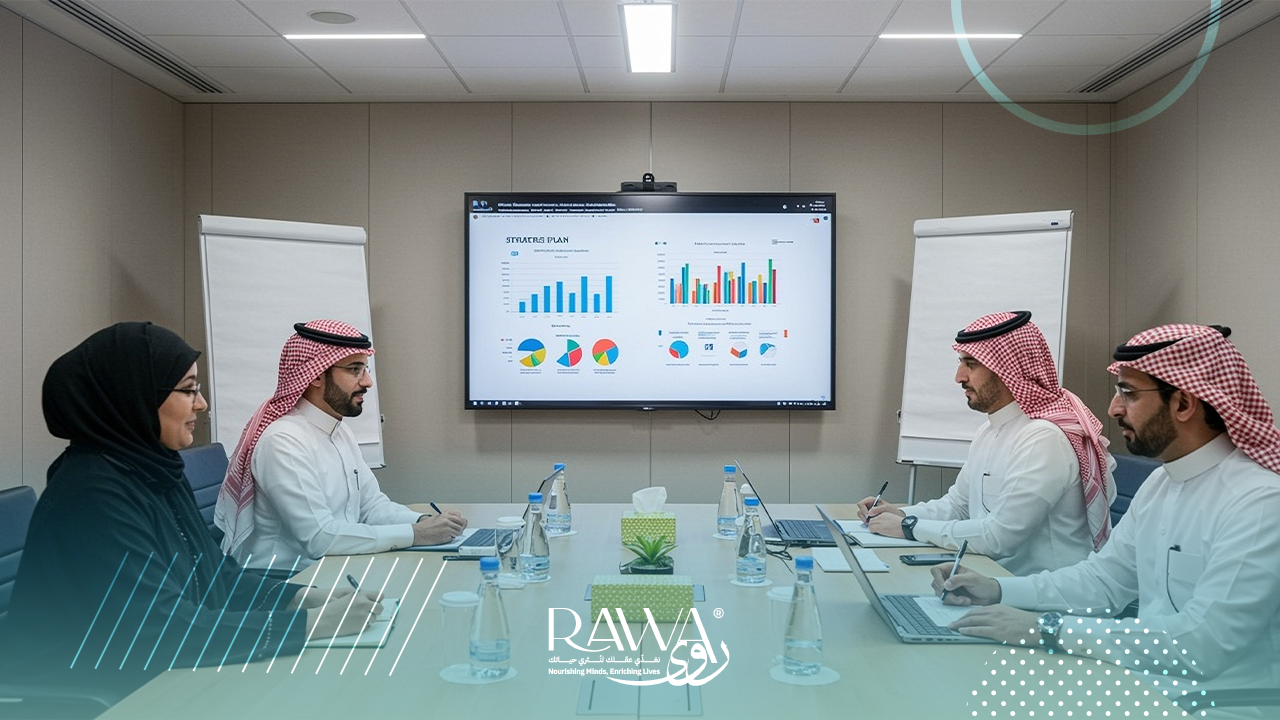

0 Comments
No comments yet. Be the first to comment!